

Cuyabeno Wildlife Reserve: Everything You Need to Know
The Ultimate Guide to Ecuador’s Amazon Paradise
The Cuyabeno Wildlife Reserve is one of Ecuador’s most extraordinary natural treasures. Located in the northeastern Amazon rainforest, this protected area is famous for its incredible biodiversity, blackwater lagoons, flooded forests, and unforgettable wildlife encounters.
Whether you’re a wildlife enthusiast, birdwatcher, photographer, or simply looking for an authentic Amazon adventure, Cuyabeno offers one of the richest rainforest experiences in South America.
In this guide, you’ll discover why the Cuyabeno Wildlife Reserve is considered one of Ecuador’s premier ecotourism destinations and what makes it so unique.
Where Is the Cuyabeno Wildlife Reserve?
The Cuyabeno Wildlife Reserve is located in Ecuador’s Amazon region, primarily within the provinces of Sucumbíos and Orellana, near the borders with Colombia and Peru.
The reserve was officially established on July 26, 1979, to protect one of the country’s most important rainforest ecosystems. Today, it forms part of Ecuador’s National System of Protected Areas and covers approximately 590,000 hectares (5,900 km² or 590,112 hectares), making it the country’s second-largest protected area.
Most visitors access the reserve through Lago Agrio (Nueva Loja) before continuing by road and motorized canoe into the heart of the rainforest.
Quick Facts About Cuyabeno Wildlife Reserve
| Feature | Information |
|---|---|
| Location | Northeastern Ecuador |
| Provinces | Sucumbíos & Orellana |
| Protected Since | 1979 |
| Area | Approximately 590,000 hectares |
| Elevation | 177–326 meters above sea level |
| Climate | Tropical rainforest |
| Annual Rainfall | Around 3,000 mm |
| Average Temperature | 24–26°C (75–79°F) |
| Main Access | Lago Agrio |
A Biodiversity Hotspot
One of the main reasons travelers visit the Cuyabeno Wildlife Reserve is its exceptional biodiversity.
Its unique location between the Andes and the Amazon Basin creates an environment where thousands of species thrive. Scientists consider this region one of the richest ecosystems in Ecuador, with remarkable concentrations of plants, birds, mammals, reptiles, amphibians, and fish.
Some of the wildlife you may encounter includes:
- Pink river dolphins
- Giant otters
- Amazonian manatees
- Jaguars
- Ocelots
- Tapirs
- Capybaras
- Sloths
- Ten species of monkeys
- Black caimans
- Anacondas
- Boa constrictors
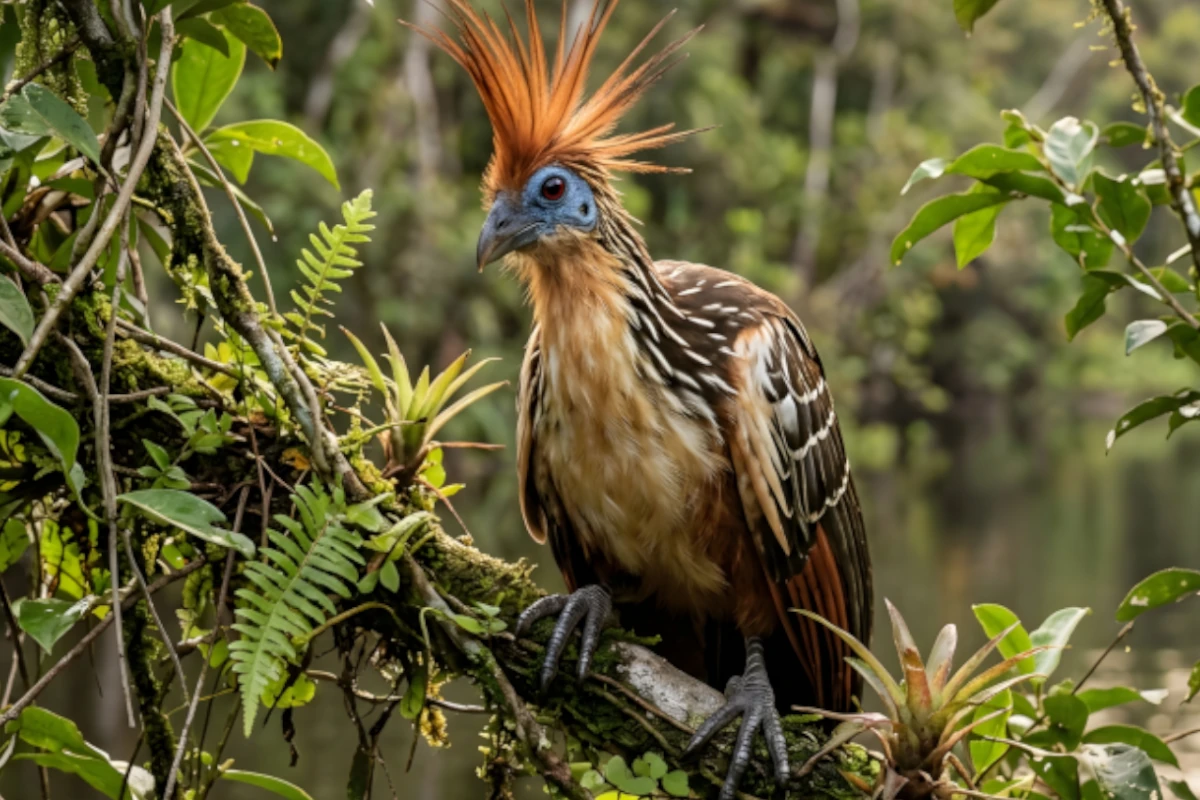
The reserve is also one of Ecuador’s premier birdwatching destinations, with more than 580 recorded bird species, including macaws, toucans, hoatzins, herons, kingfishers, parrots, and numerous birds of prey.
The Unique Ecosystems of Cuyabeno
Unlike many other Amazon destinations, the Cuyabeno Wildlife Reserve is dominated by wetlands and seasonally flooded forests.
The reserve contains nine distinct ecosystems, including:
- Blackwater rivers
- Whitewater rivers
- Permanent lakes
- Seasonal lagoons
- Igapó (blackwater flooded forests)
- Várzea (whitewater flooded forests)
- Palm swamps
- Well-drained rainforest
- Aquatic vegetation zones
These diverse habitats support an extraordinary variety of wildlife and create changing landscapes throughout the year. During the rainy season, thousands of hectares of forest become flooded, allowing visitors to explore deep into the jungle by canoe.
The Famous Blackwater Lagoons
One of the reserve’s most iconic features is its network of blackwater lagoons and rivers.
These dark-colored waters are not polluted. Instead, their color comes from natural tannins released by decomposing leaves and organic material, giving the water a tea-like appearance.
The reserve includes a complex of lagoons connected by narrow channels, creating peaceful waterways that are ideal for canoe excursions and wildlife observation. This wetland system is among the most extensive in Ecuador’s Amazon region.
Indigenous Communities
The Cuyabeno Wildlife Reserve is not only rich in wildlife but also in cultural heritage.
Several Indigenous nationalities have lived in the region for generations, including:
- Siona
- Secoya
- Cofán
- Kichwa
- Shuar (in surrounding areas)
Many eco-lodges offer opportunities to visit local communities, where travelers can learn about traditional medicine, ancestral knowledge, handicrafts, and sustainable ways of living in harmony with the rainforest. Responsible tourism helps support local livelihoods while promoting conservation.
Climate and Best Time to Visit
The Cuyabeno Wildlife Reserve has a warm, humid tropical climate throughout the year.
Average temperatures range between 24°C and 31°C (75°F–88°F), with annual rainfall of approximately 3,000 millimeters. Rain is possible during any month, but the Amazon’s changing water levels create different experiences rather than a strict wet or dry season.
During periods of lower rainfall:
- Trails are easier to hike.
- Wildlife is often easier to spot from land.
During wetter months:
- Canoes access flooded forests.
- Rivers reach higher levels.
- The rainforest appears especially lush.
- Aquatic wildlife becomes more active.
Because of these seasonal differences, Cuyabeno is considered a year-round destination.
Popular Activities
Visitors typically spend several days exploring the reserve with experienced naturalist guides.
Popular activities include:
- Canoe excursions
- Wildlife watching
- Birdwatching
- Rainforest hikes
- Night safaris
- Dolphin spotting
- Sunset tours on the lagoons
- Photography
- Visits to Indigenous communities
Every excursion offers different opportunities to observe wildlife, as the rainforest changes throughout the day.
Conservation Importance
The Cuyabeno Wildlife Reserve plays a vital role in protecting one of the largest wetland systems in the Ecuadorian Amazon. It also forms part of the larger Cuyabeno–Lagartococha–Yasuní Wetlands Complex, an internationally recognized Ramsar wetland that supports exceptional biodiversity and provides critical habitat for threatened species such as giant otters, Amazonian manatees, and river dolphins.
Ecotourism has become an important conservation tool by generating income for local communities and encouraging the long-term protection of this unique rainforest ecosystem.
Why Visit the Cuyabeno Wildlife Reserve?
Few places in the Amazon combine such rich biodiversity, accessible waterways, and cultural experiences in one destination.
The Cuyabeno Wildlife Reserve offers visitors the opportunity to:
- Observe iconic Amazon wildlife in its natural habitat.
- Explore flooded forests by canoe.
- Discover one of Ecuador’s largest protected areas.
- Learn from Indigenous communities.
- Experience spectacular sunsets over blackwater lagoons.
- Immerse themselves in one of the world’s most fascinating rainforest ecosystems.
Whether you’re visiting Ecuador for the first time or returning to explore more of the Amazon, the Cuyabeno Wildlife Reserve delivers an unforgettable experience that combines adventure, wildlife, and conservation in one remarkable destination.
Frequently Asked Questions
How big is the Cuyabeno Wildlife Reserve?
The reserve covers approximately 590,112 hectares (5,900 km²), making it the second-largest protected area in Ecuador.
What animals can you see in Cuyabeno?
Visitors commonly see pink river dolphins, monkeys, sloths, caimans, giant otters, macaws, toucans, hoatzins, snakes, and hundreds of bird species. Sightings vary by season and location.
How many days should you spend in Cuyabeno?
Most travelers choose 4 or 5-day tours, which provide enough time for canoe excursions, rainforest hikes, night walks, and wildlife observation.
Is the Cuyabeno Wildlife Reserve worth visiting?
Absolutely. Its combination of exceptional biodiversity, extensive waterways, Indigenous culture, and well-developed ecotourism makes it one of the best Amazon destinations in Ecuador and South America.

Comment (0)