

Pink River Dolphin in Cuyabeno: Everything You Need to Know
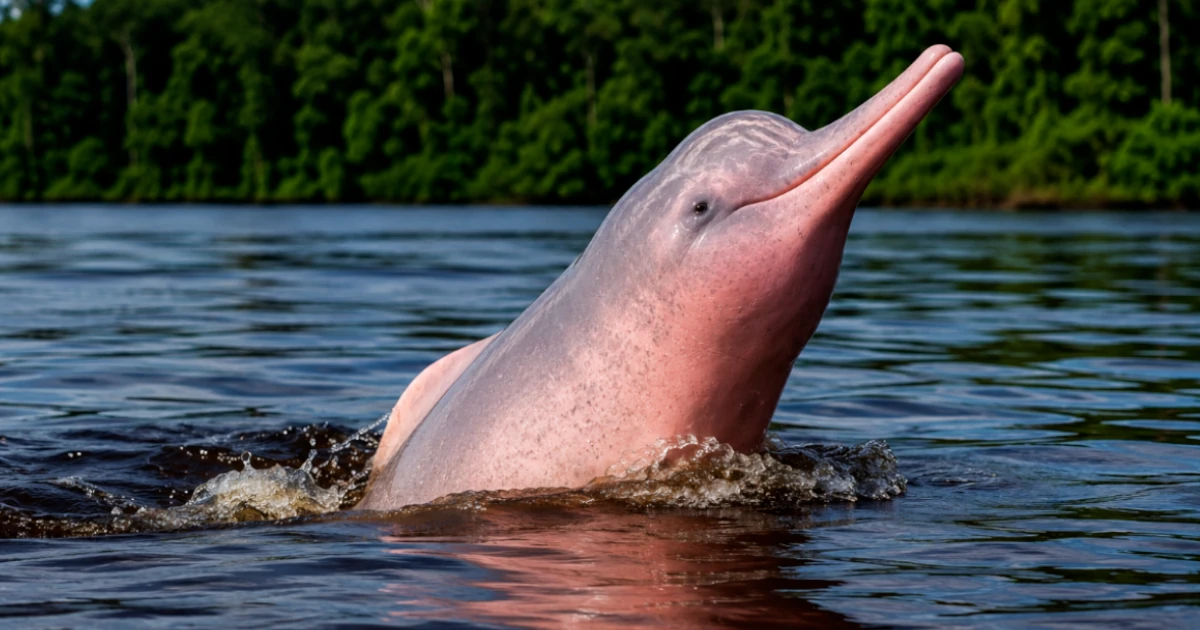
The Pink River Dolphin in Cuyabeno is one of the most unforgettable wildlife encounters in the Ecuadorian Amazon. Known locally as the boto or bufeo, this remarkable freshwater dolphin has fascinated travelers, scientists, and Indigenous communities for centuries.
Unlike ocean dolphins, the Amazon pink river dolphin has adapted perfectly to life in rivers, flooded forests, and blackwater lagoons. Seeing one emerge quietly beside your canoe is often the highlight of any visit to the Cuyabeno Wildlife Reserve.
If you’re planning an Amazon adventure, here’s everything you should know about one of the rainforest’s most iconic animals.
What Is the Pink River Dolphin?
The Pink River Dolphin (Inia geoffrensis) is the largest species of freshwater dolphin in the world. Adult males can reach up to 2.5 meters (8.2 feet) in length and weigh around 185 kilograms (408 pounds), while females are generally smaller.
Unlike marine dolphins, Pink River Dolphins have several unique adaptations that allow them to navigate the Amazon’s complex waterways.
These include:
- A long, narrow beak for catching fish.
- Flexible neck vertebrae that allow them to turn their heads.
- Large paddle-shaped flippers for maneuvering around submerged trees.
- Powerful echolocation to hunt in murky water.
These features make them perfectly suited for exploring flooded forests during the Amazon’s rainy season.
Why Are They Pink?
One of the most common questions visitors ask is why these dolphins are pink.
Interestingly, not every dolphin is bright pink.
Young dolphins are usually born gray and gradually develop a pink coloration as they mature. Adult males tend to display the brightest colors, while females often remain lighter gray with pink patches. Scientists believe the color is influenced by age, blood flow near the skin, scar tissue from interactions with other males, and individual genetics.
As a result, every dolphin looks slightly different, making each sighting unique.
Can You See Pink River Dolphins in Cuyabeno?
Yes! One of the reasons travelers choose the Cuyabeno Wildlife Reserve is because it offers excellent opportunities to observe pink river dolphins in their natural habitat.
They are frequently seen in:
- The Cuyabeno River
- Laguna Grande
- Blackwater lagoons
- Quiet river channels
- Flooded forests during the high-water season
Although wildlife sightings can never be guaranteed, many visitors encounter dolphins several times during multi-day tours. Experienced naturalist guides know the areas where dolphins are commonly active and schedule canoe excursions during the best times of day.
What Do Pink River Dolphins Eat?
The pink river dolphin is an opportunistic predator with one of the most varied diets of any toothed whale.
Its diet includes:
- Piranhas
- Catfish
- Tetras
- Freshwater crabs
- Small turtles
- Other river fish
Scientists have documented more than 50 different prey species, demonstrating the dolphin’s remarkable adaptability. Using echolocation, it can locate prey even in dark, sediment-rich waters where visibility is extremely limited.
The Perfect Habitat
Cuyabeno provides ideal conditions for river dolphins thanks to its extensive network of rivers, lagoons, and seasonally flooded forests.
During periods of high water, dolphins swim deep into flooded forests in search of food. Their flexible necks and large flippers allow them to navigate between tree trunks and submerged vegetation—an ability that most marine dolphins simply do not have.
This adaptation is one of the reasons the species has successfully evolved in the Amazon Basin.
Best Time to See Pink River Dolphins in Cuyabeno
The good news is that pink river dolphins can be seen throughout the year.
However, your experience may vary depending on seasonal water levels.
During the wetter months, dolphins often venture into flooded forests, creating unique canoeing experiences through submerged rainforest.
During periods of lower water, they concentrate in rivers and lagoons, making them easier to spot from boats.
Regardless of the season, early mornings and late afternoons are typically the most active times for wildlife observation.
Interesting Facts About the Pink River Dolphin
The pink river dolphin is full of fascinating surprises.
Here are a few facts many visitors don’t know:
- It is the largest freshwater dolphin in the world.
- It can turn its head much farther than ocean dolphins because its neck vertebrae are not fused.
- It relies heavily on echolocation to navigate murky Amazon waters.
- Males are generally larger and pinker than females.
- It usually travels alone or in small groups.
- It is one of the Amazon’s top aquatic predators.
These characteristics make it one of the most specialized mammals in the rainforest.
Indigenous Legends
For centuries, Indigenous communities across the Amazon have shared stories about the boto.
According to local legends, the pink river dolphin can transform into a handsome man at night to attend village celebrations before returning to the river at dawn.
While these stories are part of Amazonian folklore rather than science, they highlight the deep cultural importance of this remarkable animal and the respect it has earned throughout the region.
Conservation Challenges
Despite its adaptability, the pink river dolphin faces increasing threats across the Amazon Basin.
Major conservation challenges include:
- Habitat degradation
- Water pollution
- Illegal fishing practices
- Accidental entanglement in fishing nets
- River fragmentation caused by dams
Protecting healthy river ecosystems is essential for the long-term survival of the species. Responsible ecotourism in places like Cuyabeno also plays an important role by supporting conservation efforts and creating economic incentives to preserve the rainforest.
Tips for Seeing Pink River Dolphins
To maximize your chances of seeing a Pink River Dolphin in Cuyabeno, consider these tips:
- Choose a tour lasting at least four days.
- Join early morning and sunset canoe excursions.
- Remain quiet while traveling through lagoons.
- Bring binoculars for better viewing.
- Follow your guide’s instructions and avoid sudden movements.
- Never attempt to feed or touch wild dolphins.
Respecting wildlife ensures a better experience for both visitors and the animals.
Final Thoughts
The Pink River Dolphin in Cuyabeno is much more than a beautiful animal—it is a symbol of the Amazon’s extraordinary biodiversity. From its remarkable pink coloration and unique adaptations to its role in Indigenous traditions, the boto represents the magic of one of the world’s richest ecosystems.
Whether you glimpse one surfacing beside your canoe at sunrise or watch it disappear into the calm waters of a blackwater lagoon, encountering a pink river dolphin is an experience that stays with you long after your journey ends.
For many travelers, it becomes the defining memory of their visit to the Ecuadorian Amazon—and one of the best reasons to explore the incredible Cuyabeno Wildlife Reserve.

Comment (0)