

How to Get to Cuyabeno from Quito ?
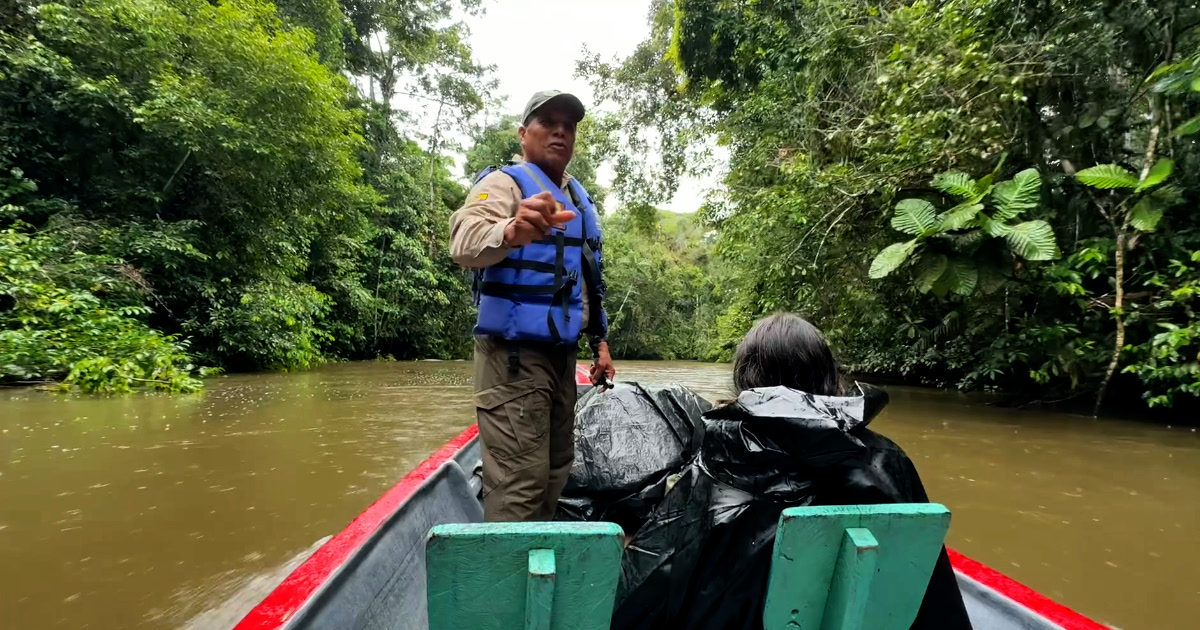
There are few options to get Cuyabeno From Quito. The best option depends on your budget, schedule, and travel style. Regardless of how you get there, almost every visitor enters the reserve through Puente Cuyabeno, the official access point where guides and motorized canoes depart into the rainforest. From the bridge, the canoe journey to most lodges takes approximately 1 hour and 40 minutes, depending on river conditions.
1. Public Bus from Quito to Cuyabeno
The most affordable way to reach Cuyabeno from Quito is by public bus which departs from Quitumbe to Lago Agrio, from here we continue to the Bridge, it is possible to catch a local bus, hiring a taxi or pickup truck will be better to be on time.
This option is ideal for backpackers and independent travelers who want to keep transportation costs low. However, you’ll need to coordinate your arrival time carefully to avoid missing the morning boat departures into the reserve.
2. Tourist Shuttle Bus
There is an official Cuyabeno Bus which works directly with the Lodges in Cuyabeno, unlike public transportation, these shuttles are designed specifically for travelers visiting the reserve. They usually depart from central Quito in the evening, travel overnight, and arrive at the meeting point on time for the scheduled canoe transfers.
Advantages include:
- Direct transportation with no transfers.
- Pickup from selected hotels or meeting points in Quito.
- Better coordination with lodge schedules.
- Less stress if it’s your first time visiting the Amazon.
Although the tourist shuttle costs more than a public bus, many travelers find the convenience well worth the difference.
3. Private Transportation
If you value comfort and flexibility, hiring a private transfer is another excellent way to travel from Quito to Cuyabeno.
A private vehicle can pick you up directly from your hotel or the airport, allowing you to travel on your own schedule without worrying about bus timetables or connections. The drive from Quito to Puente Cuyabeno generally takes 8 to 9 hours, depending on traffic and weather conditions.
Private transportation is especially recommended for:
- Families with children.
- Small groups sharing transportation costs.
- Travelers carrying a lot of luggage.
- Anyone arriving on an international flight who prefers a seamless transfer.
While it is the most expensive overland option, it also offers the greatest convenience.
4. Flying from Quito to Cuyabeno
The fastest way to reach Cuyabeno from Quito is by combining a domestic flight with ground transportation.
Flights from Quito to Lago Agrio take approximately 35 minutes. After landing, you’ll continue by road to Puente Cuyabeno (about 2 hours) before boarding the motorized canoe into the reserve.
Flying is the best choice if:
- You have limited vacation time.
- You want to avoid the long overnight bus ride.
- You’re looking for the most comfortable travel experience.
Although airfare increases the overall cost of the trip, it saves almost an entire day of overland travel and allows you to arrive feeling more rested.
Which Option Is Best?
For budget travelers, the public bus offers the lowest cost.
If you prefer convenience without arranging connections, the tourist shuttle is usually the best balance of price and comfort.
Families, photographers carrying equipment, and travelers seeking maximum flexibility often choose private transportation.
Those with limited time generally prefer to fly to Lago Agrio and continue by road and canoe to Cuyabeno.
Tour to Cuyabeno from Quito
The most common way to visit Cuyabeno from Quito is through an organized Amazon tour which normally offers a direct bus from Quito to Cuyabeno Bridge. Travelers usually arrive at the entrance of the reserve and continue by motorized canoe along the Cuyabeno River to reach the lodges located inside the rainforest.
Tours to Cuyabeno from Quito simplify the logistics by coordinating transportation, meals, accommodation, bilingual guides, and activities inside the reserve. This option is preferred by international travelers because it reduces planning and allows direct access to the protected area.
Depending on the itinerary, travelers can choose between short and extended programs. The most popular options are 3-day, 4-day, and 5-day tours.
Many tours begin with a meeting point in Lago Agrio or arranged transportation from Quito. Visitors are advised to coordinate arrival times with the tour operator before traveling.
Where is Cuyabeno Wildlife Reserve?
Cuyabeno Wildlife Reserve is located in the northeastern Ecuadorian Amazon, in the province of Sucumbíos near the border with Colombia. It is one of the most biodiverse protected areas in Ecuador and covers more than 600,000 hectares of tropical rainforest, rivers, lagoons, and flooded forest.
The reserve is known for its wildlife diversity, including pink river dolphins, monkeys, caimans, giant otters, anacondas, and hundreds of bird species. Because of its ecological importance and accessibility, Cuyabeno has become one of the most visited Amazon destinations in Ecuador.
Most travelers visiting the reserve begin their trip in Quito.
Why Choose a Tour to Cuyabeno from Quito
Traveling from Quito to Cuyabeno through an organized tour provides a more efficient way to explore the Amazon rainforest. Since the reserve is remote and protected, most activities inside the area require guides, canoe transportation, and authorized access.
Cuyabeno tours generally include:
- Accommodation in jungle lodges
- Canoe transportation
- Certified naturalist guides
- Meals during the program
- Wildlife excursions
- Night walks and river exploration
- Visits to lagoons and rainforest trails
Guided tours also improve the chances of spotting wildlife because local guides are familiar with animal behavior, seasonal changes, and navigation routes inside the reserve.
For travelers visiting Ecuador for the first time, organized tours help avoid logistical complications and provide a structured itinerary inside the rainforest.
What to Expect During a Cuyabeno Tour
A typical Cuyabeno tour combines river navigation, jungle walks, wildlife observation, and cultural experiences. Activities depend on weather conditions, water levels, and tour duration.
One of the main attractions is Laguna Grande, a large lagoon surrounded by flooded forest where visitors often observe pink river dolphins, hoatzin birds, monkeys, and caimans.
Most tours include daily canoe excursions through narrow rivers and flooded areas of the jungle. These routes provide opportunities to observe wildlife in natural habitats while learning about Amazon ecology.
Night excursions are also common. During these activities, guides search for nocturnal animals such as caimans, frogs, insects, and nocturnal birds.
Some itineraries include visits to local Indigenous communities where travelers can learn about traditional Amazonian customs, local foods, and medicinal plants.
Internet access inside the reserve is limited or unavailable in most lodges.
Best Time to Visit Cuyabeno
Cuyabeno can be visited throughout the year, although conditions vary depending on rainfall and river levels.
The rainy season usually creates higher water levels, allowing canoes to navigate deeper into flooded forests. This period is often preferred for river exploration and photography.
During drier months, more forest trails become accessible for hiking activities and wildlife observation on land.
Wildlife sightings are possible year-round, but weather conditions and seasonal changes influence animal activity and accessibility within certain areas of the reserve.
Temperatures in the Amazon remain warm and humid throughout the year, with average daytime temperatures between 24°C and 30°C.
Wildlife in Cuyabeno Wildlife Reserve
Cuyabeno is considered one of the best wildlife destinations in Ecuador. The reserve contains a high concentration of species due to its network of rivers, lagoons, and tropical rainforest ecosystems.
Animals commonly observed during tours include:
- Pink river dolphins
- Black caimans
- Squirrel monkeys
- Capuchin monkeys
- Macaws and parrots
- Toucans
- Sloths
- Anacondas
- Giant otters
Birdwatching is especially popular in Cuyabeno. The reserve is home to more than 500 bird species, making it an important destination for photographers and birdwatchers visiting South America.
Wildlife sightings are never guaranteed because animals move freely within the rainforest, but experienced guides significantly improve observation opportunities.
How Many Days Should You Spend in Cuyabeno?
The ideal tour length depends on travel goals and available time.
3-Day Tours
Suitable for travelers with limited time who want a general Amazon experience. These tours usually include canoe excursions, lagoon visits, and short jungle walks.
4-Day Tours
Provide additional opportunities for wildlife observation and deeper exploration of the reserve. This option is one of the most recommended for first-time visitors.
5-Day Tours
Better suited for travelers interested in photography, birdwatching, or extended rainforest exploration. Longer itineraries allow access to more remote areas and additional activities.
Longer tours generally increase the chances of wildlife encounters because visitors spend more time inside the reserve.
What to Pack for a Cuyabeno Tour
Visitors should prepare for humid tropical conditions and limited infrastructure inside the rainforest.
Recommended items include:
- Lightweight long-sleeve clothing
- Waterproof jacket
- Rubber boots or trekking shoes
- Insect repellent
- Sunscreen
- Flashlight
- Reusable water bottle
- Waterproof bag for electronics
- Binoculars for wildlife observation
Most lodges provide mosquito nets and basic accommodations.
FAQs About Cuyabeno Tours from Quito
How to get Cuyabeno from Quito?
The easiest way to get Cuyabeno from Quito is taking a direct night Bus from the very downtown which drives to the Cuyabeno Bridge $37 one way or $74 both ways.
Is Cuyabeno safe for tourists?
Yes. Cuyabeno is considered a safe destination for organized tourism. Most visitors travel with licensed guides and registered lodges inside the reserve.
Can you visit Cuyabeno without a tour?
Independent access is limited because transportation inside the reserve requires authorized canoe services and guides.
What is the best tour length for Cuyabeno?
Four-day tours are often considered the best balance between wildlife exploration and travel time.
Are there mosquitoes in Cuyabeno?
Yes. Mosquitoes are common in the Amazon rainforest, especially during humid periods. Insect repellent and long clothing are recommended.
Is internet available in Cuyabeno?
Most lodges have limited or no internet access due to the remote rainforest location.
Can families visit Cuyabeno?
Yes. Many lodges accept families and offer suitable activities for children, depending on age and itinerary.
What wildlife can be seen in Cuyabeno?
Common sightings include pink dolphins, monkeys, caimans, tropical birds, frogs, and other rainforest species.
Do Cuyabeno tours include meals?
Most organized tours include meals, accommodation, guided activities, and canoe transportation inside the reserve.

Comment (0)